
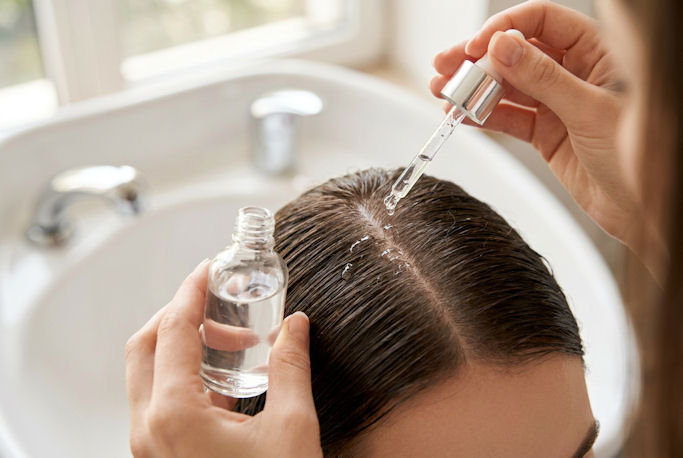
Scalp Treatment in Gloucester: Dry, Itchy or Oily Scalp (What Actually Helps)
- Dry + tight scalp: focus on gentle cleansing + hydration; avoid harsh clarifying too often.
- Itchy + flaky scalp: treat the cause (build-up vs sensitivity vs dandruff-type flakes) before switching everything.
- Oily scalp: balance cleansing—over-stripping can trigger rebound oiliness.
- If symptoms persist, a scalp consultation at a hair salon in Gloucester helps identify the right plan.
Quick Summary: Why scalp problems are so common (and why guessing can backfire)?
Many people searching for scalp treatment Gloucester try multiple shampoos with no clear improvement.
“Flakes” can mean different things—dryness, product build-up, irritation, or dandruff-related triggers—so the fastest route is usually a targeted plan.
Quick symptom guide (not a diagnosis)
Dry, tight scalp
Often feels tight after washing and can look slightly flaky. Hot water and strong cleansers can make it worse.
A scalp-friendly routine is usually: gentle cleanser + hydration + fewer harsh resets.
Itchy scalp with flakes
Itch can be irritation, build-up, or dandruff-type flakes. Scrubbing harder or clarifying too often can increase sensitivity.
Oily scalp (roots go flat quickly)
The goal is balance, not stripping. Lightweight scalp care + correct wash frequency often works better than “strong shampoo forever.”
What helps most (practical steps)
- Reset build-up occasionally: clarify when needed (not daily), especially if you use styling products or dry shampoo.
- Improve wash technique: shampoo the scalp, condition mid-lengths to ends, rinse thoroughly.
- Reduce irritation: avoid heavy oils or strongly fragranced leave-ons on a reactive scalp.
- Track triggers: stress, seasonal changes, new products, and hat-wearing can all affect the scalp.
Local Gloucester angle: why your scalp may feel worse at certain times of year
In Gloucester, clients often notice scalp tightness in colder months (indoor heating + low humidity) and more oiliness in warmer periods.
Changes in routine (more dry shampoo, hats, styling products) can also increase build-up and itch.
Quick answers
How do I know if I need a scalp treatment? If itch, flakes, soreness, or oiliness persists beyond 2–3 weeks, a scalp consult is worthwhile.
Will one appointment fix it? Some issues improve quickly; others need a 2–6 week routine plus occasional in-salon resets.
What should I avoid? Over-clarifying, scratching aggressively, and heavy oils on a congested scalp.
FAQs: Scalp Treatment Gloucester
Do I need a scalp treatment or just a new shampoo?
A scalp treatment helps when symptoms persist or when build-up/irritation is likely. Shampoo alone sometimes isn’t enough.
Can dry shampoo cause an itchy scalp?
It can contribute to build-up if used heavily without proper cleansing. A balanced routine usually prevents this.
What should I tell my stylist?
Share wash frequency, products used, when symptoms started, and recent changes (stress, new products, lifestyle shifts).
Need a scalp consultation in Gloucester?
If you’re looking for a hair salon in Gloucester that can help you build a scalp-first routine, book a consultation and we’ll tailor a plan.